Designing Soil Sampling Plans for Accurate Results
A farm’s fertility plan is only as good as the soil samples it is based on. Inconsistencies in sampling, or not accounting for factors like management history, zones where yield differs, drainage differences, and soil types, can all reduce the accuracy of the resulting soil tests and result in applying too much or too little fertility. Each farm’s tillage regime will impact soil pH and nutrient stratification. Depending on a farm’s tillage practices, pH and nutrient levels at a 6-inch depth can vary significantly from 2-inch depth. Advisors want to take into account a farm’s field management when making their soil sampling plan so that the samples give an accurate understanding of a client’s soil.
We’ll learn from a professor/field specialist and an organic agronomist as they talk through the finer points of soil sampling, so that advisors can design soil sampling plans that result in accurate soil tests, and ultimately in effective fertility plans.
SPEAKERS
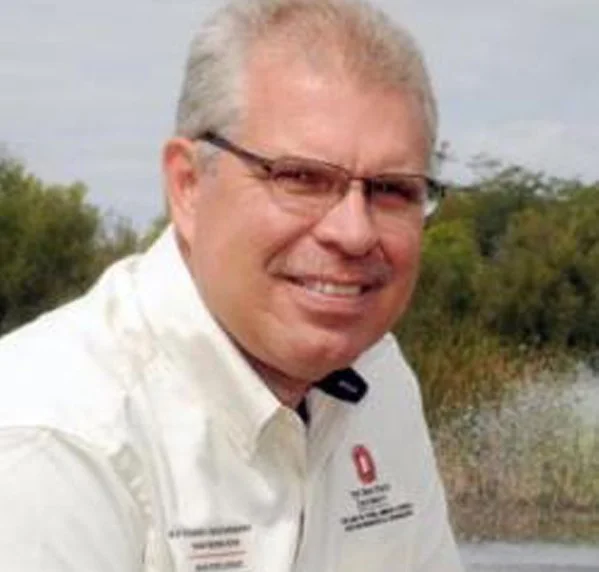
Greg LaBarge
Greg LaBarge is a field specialist in agronomic systems and a professor at Ohio State University Extension, Columbus, Ohio. He served as a county educator in Fulton County for 23 years and has been in his current role since 2012. Greg’s research focuses on the impacts of nutrient management on crop production and water quality. His focus has been on phosphorus management and, more recently, nitrogen management, but he recognizes the importance of soil and plant health for productive crop outcomes. He has a Master of Science in Agronomy from the University of Missouri-Columbia.
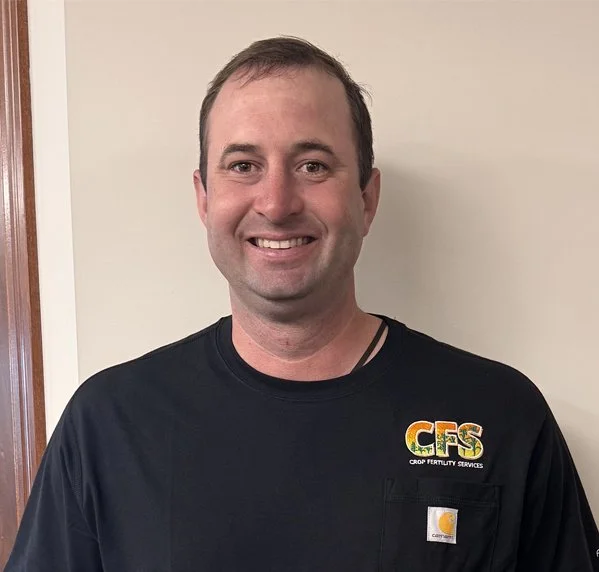
James Schroepfer
James Schroepfer is a Certified Crop Advisor and organic farmer in central Minnesota. Growing up on a small 60-Acre organic farm in northern Illinois, he worked on a number of different organic and conventional farms until going to South Dakota State University. There, he studied Agronomy to try and understand the scientific connection between crops, soils, and animal health. After a number of years working as a private crop consultant for a small soil testing lab in Albany, MN, James with his brother bought into an organic crop and cow/calf operation. In addition to crop consulting for farmers through Crop Fertility Services LLC, he currently farms around 700 acres organically with his brother raising a small beef herd. In conjunction with a solid nutrient and manure management plan, they grow a diversity of crops including a heavy mixture of cover crops and other soil health practices on their farm to build and maintain fertility across their acres.
https://www.cropfertilityservices.com/ag-services/agronomy-consulting/

Sam Oschwald Tilton, Facilitator
“I have worked with organic farmers all over the US and Canada to understand production systems and solve weed management issues. This past season, on farms and in winter conferences, I spoke with as many farmers and ag professionals as I could to understand the questions that organic producers have, and the experts that they’d like to learn from. Those conversations helped me identify the topics and guests for this series. I am excited to bring together a wide range of farmers and ag professionals from many backgrounds, all of whom have an experienced perspective to share. In each call I look forward to having an intelligent conversation with the guest that introduces the topic to those who are unfamiliar and also dives deep to bring further understanding and clear tips to listeners. After the conversation, we’ll take questions from listeners, so that they can communicate directly with each guest to get the answers that they need. My goal for this call series is to provide crucial information on topics facing organic and transition-curious farmers, in an approachable conversation that listeners can easily listen to during their lunch hour.”
“Garbage in is garbage out, they say. And for fertility plans, that means that a farm needs an accurate soil sampling plan so that soil tests reflect reality, and inform effective fertility plans. Join us for this episode to learn how to create bespoke soil sampling plans that match an individual farm.”