Integrating Organic and Food Safety Requirements When Using Soil Amendments
Managing produce safety and organic requirements can be challenging and the regulatory frameworks for both FSMA Produce Safety Rule (PSR) and the USDA National Organic Program (NOP) can be complex. This one-day workshop will help agriculture professionals to more effectively support their organic produce farmers by demystifying the interplay between these two regulatory requirements. Some of these challenges can be solved by equipping organic growers with better evidence-based guidance and technologies, but other obstacles result from contradictions between food safety and organic regulations. Using soil amendments as a model to demonstrate how to comply with the PSR and NOP requirements, this interactive workshop will use presentations and activities to explore where the programs overlap and diverge.
This Train-the-Trainer workshop is applicable for advisors to organic produce growers (e.g., crop advisors, extension professionals, NRCS, input suppliers, organic certifiers), and will also directly benefit produce growers, regulators, buyers, and industry groups. Participants gain knowledge and expertise in the following areas:
The history, differences, and overlap between the NOP and FSMA PSR
Balancing produce safety and organic goals on produce farms
Identifying hazards and risks from an organic and produce safety perspective
Developing strategies to reduce microbial risks
Supporting organic produce farms in implementing produce safety practices
Region-specific soil amendment practices
This is a FREE in-person workshop!
Refreshments and a catered lunch are included.
Register by November 2 to secure your spot!
Agenda
8:30 am Registration
9:00 am Welcome and Introductions
9:30 am Managing Produce Safety on Organic Farms - review of the USDA National Organic Program and FSMA Produce Safety Rule
10:45 am Managing Organic Soil Amendments While Meeting Food Safety Goals
12:00 pm Lunch - catered
1:00 pm Local Considerations on Food Safety and Organic Certification
2:45 pm Supporting Soil Amendment Use Through Additional Practices
4:00 pm Adjourn
SPEAKERS
Mallory Krieger, Director, OATS
Mallory Krieger is the National Program Director for OATS | the Organic Agronomy Training Service and Principal Consultant at Terra Elossa LLC. She is committed to driving environmental improvement and farm resiliency in agriculture. With more than 12 years experience in the organic industry, she has served as an organic educator, consultant, and inspector. She has extensive experience developing educational programs for organic and regenerative farmers and ag. advisors. Mallory has a background in data analysis with a MS in Social Statistics and Research Methods. In addition to her consulting work, Mallory owns and manages an 85 acre farm in Fishhook, Illinois.
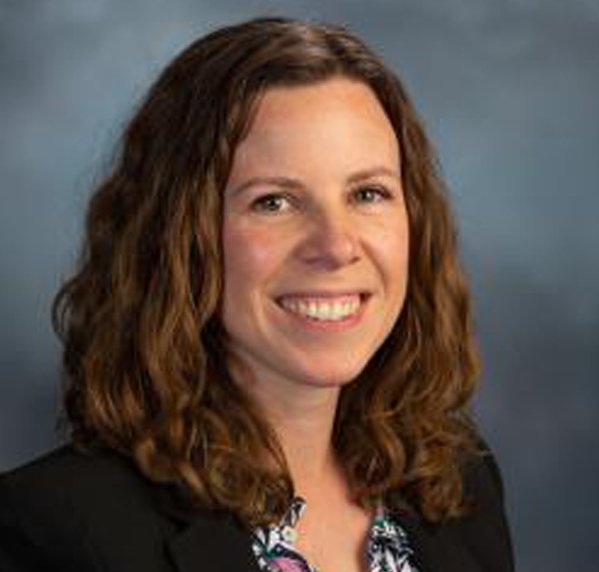
Donna Clements, PSA Coordinator, Produce Safety Alliance
Donna Clements has worked with the Produce Safety Alliance (PSA) since 2015, first as the Southwest Regional Extension Associate, and now as the PSA Coordinator and Northeast REA. Based in Maryland, Donna’s role with PSA is to offer training courses on the FSMA Produce Safety Rule, provide technical assistance to growers and produce safety educators, and develop resources. Donna’s specialty within the PSA has been developing resources on soil amendments and sanitizer use.
Donna's involvement in the fresh produce industry began at a young age while working on her family's fruit and vegetable farm. She has experience in production, harvesting, postharvest handling, and sales of perishable products. Donna received both her Bachelor of Science and Master of Science degrees in Plant Science from the University of Maryland.

Dr. Elizabeth A. Bihn, Director, Produce Safety Alliance
Elizabeth A. Bihn is a Senior Extension Associate in the Department of Food Science at Cornell University. She is currently the director of the Produce Safety Alliance and the National Good Agricultural Practices (GAPs) Program. The main focus of her research has focused on irrigation water quality used during fruit and vegetable production. Betsy’s extension program aims to reduce microbial risks to fresh fruits and vegetables by developing engaging and effective educational materials developed through collaboration with growers, farm workers, produce industry personnel, students, teachers, and consumers.